Investor thesis · 6 min read · December 2025
Regenerative Travel Is Not a Trend. It's a Repositioning of Capital.
Why serious investors are quietly exiting traditional hospitality and moving capital into community-led, regenerative property. And what that means for owners of dormant buildings.
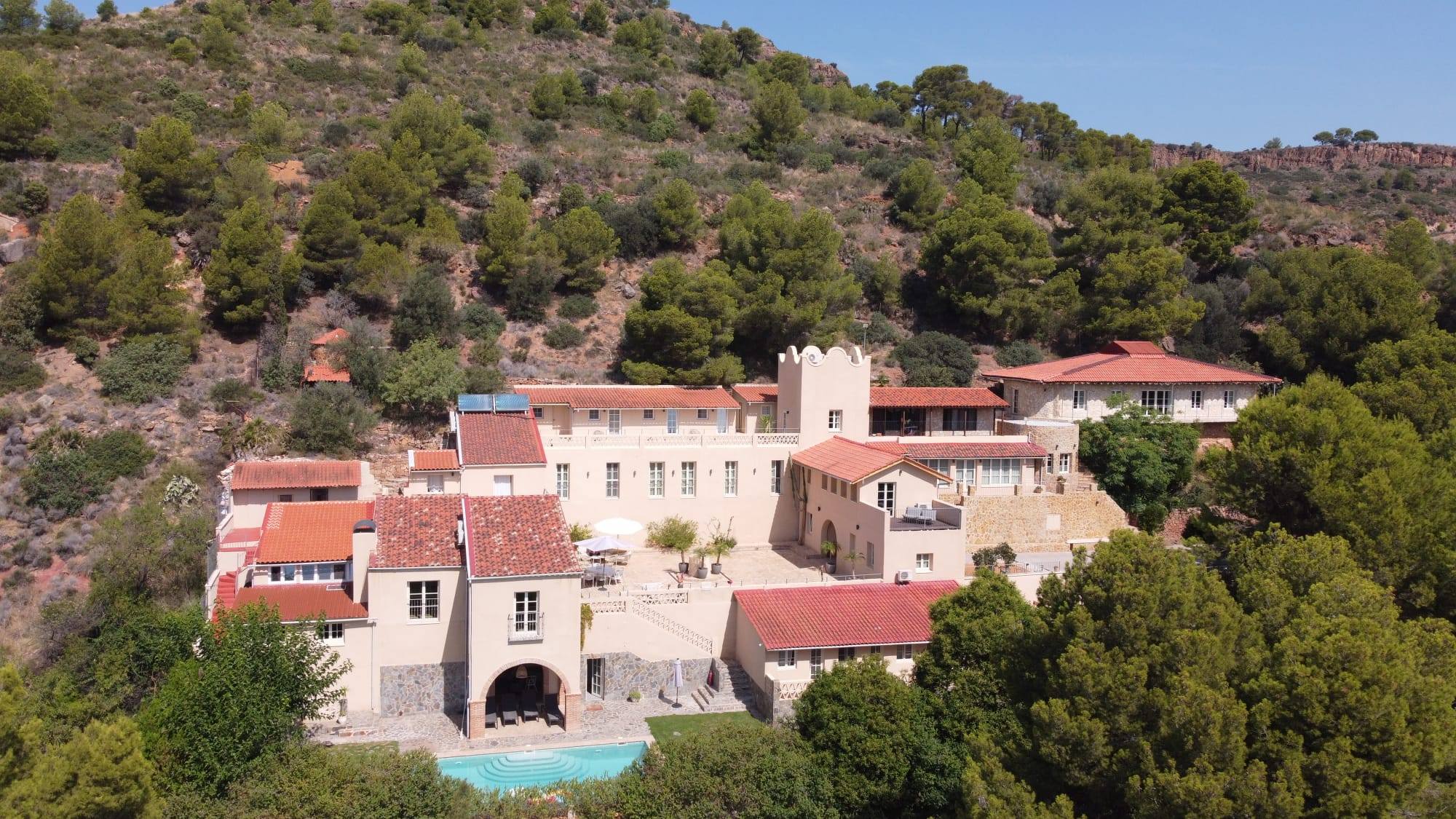
There is a particular kind of investor I keep meeting in 2025.
They already own the villa, the finca, the converted monastery, the lodge, the family hotel. They have run the numbers on short-term rentals. They have spoken to a hospitality consultant in a suit who explained how to optimise REVPAR. And then they came home and admitted that none of it actually excites them. And most of it does not return what it should once you account for the wear, the staffing, and the soul tax.
Regenerative travel is the polite name for what is actually happening. The real movement is simpler: the wealthy are quietly exiting transactional hospitality and putting their money into properties that produce community, identity, and meaning as well as cash flow.
What "regenerative" actually means
Not solar panels and rooftop gardens. Not a sustainability statement on the website. Regenerative, in the hospitality sense, means a property that gives back more than it extracts. To its land, its residents, its operators, and its founders.
It means rooms that pay for themselves and a culture that pays for itself. It means staff who do not burn out. It means guests who refer the next ten guests. It means a property that compounds, not depreciates. A regenerative asset is not just sustainable. It is appreciating culturally, not just financially.
Why capital is moving here
Three reasons. First, traditional hotels have lost their pricing power for the top of the market. The wealthiest travellers are no longer paying €1,200 a night for a beige room with a minibar. They are paying it for a private room inside a curated community with people they want to spend a week with.
Second, short-term rentals are being regulated everywhere worth being. The era of arbitrage is closing. Capital is looking for the next legitimate vehicle. And small-format community hospitality (10–30 keys) sits in a regulatory and commercial sweet spot in most jurisdictions.
Third, the people writing the cheques have changed. The new buyers are founders, ex-operators, and second-generation wealth. They are not buying assets. They are buying meaning. Regenerative travel projects scratch that itch in a way that pure yield plays do not.
What this means if you own an empty building
If you are sitting on a dormant property in a desirable rural location. Spain, Portugal, the French countryside, Tuscany, the Balearics, the right pockets of the UK. You are sitting on the most interesting hospitality asset class of the next decade.
Most owners get this wrong. They renovate too early. They hire too late. They build to a generic spec because the architect did not know how to ask the right questions. They open without a community model, without a guest profile, without a price logic. And then they spend two years wondering why it is not working.
The advisory exists because there is now real capital, real demand, and real cultural appetite for this kind of property. But very few founders or investors who have actually built one and lived inside it for years.
I built Savi. I sit inside the messy operational middle of one of these places every day. The advisory takes that lived knowledge and applies it to your property before you spend the money.
If you have a building, real intent, and a budget that matches the ambition. This is the conversation worth having.
About the author
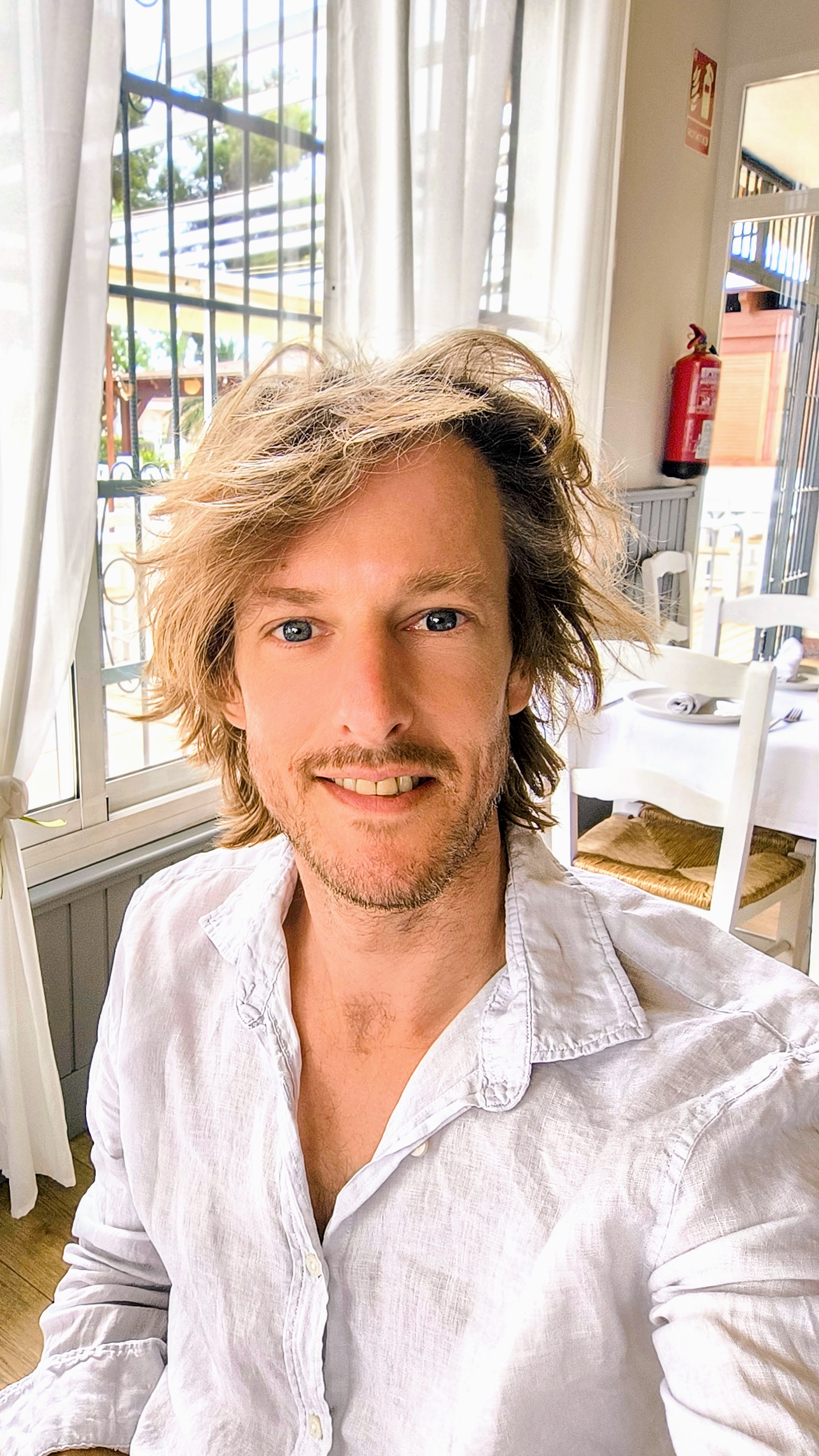
Steve Haynes
Founder of The Coliving Advisor and Savi Coliving. Twenty years across hotel start-ups, restaurant openings, retreat centres, and coliving. Now advising premium property owners and investors worldwide. Worldpackers Sustainable Development Goals winner, 2025.