Asset thesis · 5 min read · October 2025
The Dormant Building Problem: Why Empty Properties Are Tomorrow's Best Assets
Empty villas, fincas, monasteries, and rural houses are sitting on more upside than almost any other real estate category. If the owner can resist the urge to do the obvious thing.
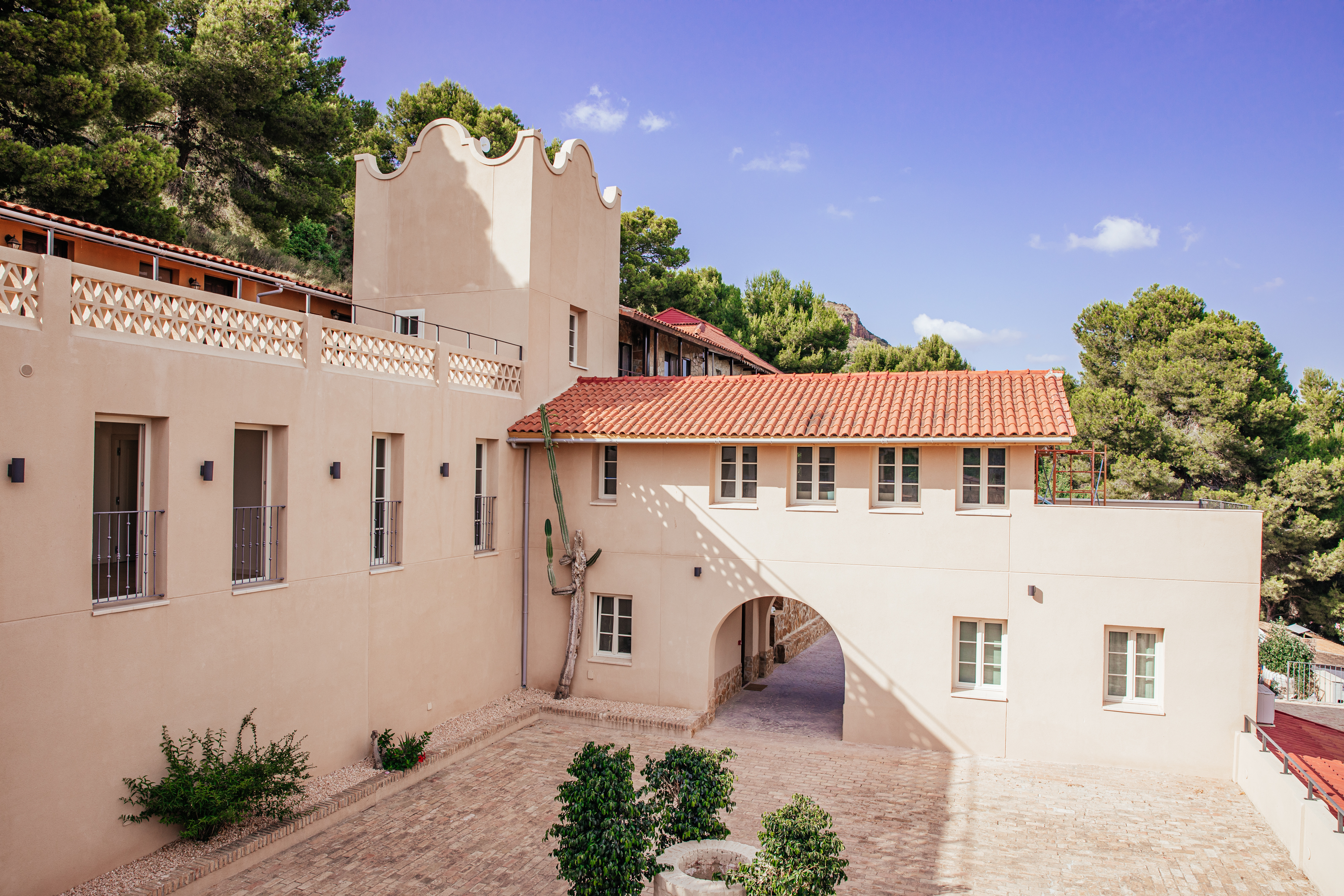
Almost every week, I get the same message. A version of: "I own a building. It is beautiful. It is empty. I do not know what to do with it."
The building is usually in a place you would actually want to be. The Spanish countryside. The Balearics. The south of France. A pocket of the UK that has quietly become interesting again. Sometimes a country house. Sometimes a stone finca. Sometimes a converted monastery that has been sitting unloved for a decade.
These properties are the most interesting hospitality asset class of the next ten years. The owners almost always misuse them.
The default move (and why it fails)
The default is short-term rental. List the property on Airbnb. Hire a cleaner. Pray for August. The owner spends two seasons being a part-time property manager, gets a 4.6 rating, breaks even after fees, and quietly resents the building.
The second default is the wedding venue play. Or the boutique hotel play. Or the retreat centre play with a yoga teacher friend. These can work, but most of them open without a real concept, a real guest profile, or a real operating model. And then they spend three years subsidising a beautiful building that should be paying for itself by year two.
What the building actually wants to be
Most dormant properties have one or two natural identities baked into them. The land suggests it. The bones suggest it. The location suggests it. The local talent suggests it.
The job is to find that identity early. Before the renovation budget gets blown on the wrong rooms, the wrong layout, and the wrong target guest.
A small finca in the right valley wants to be a 12-key sober coliving for founders. A converted monastery wants to be a creative residency with one signature retreat per season. A country estate wants to be a private members' house with a clear culture and a real waiting list.
Pick the identity wrong and the building never makes money. Pick it right and it becomes the most interesting property in its region. And one of the better cash-on-cash returns the owner has ever had.
What I do
I sit with the property. The actual property. I walk it. I look at the threshold, the light, the air, the rhythm of the day. I look at who the building is trying to attract, what the local market is hungry for, what is missing within a 200 km radius, and what the owner is actually willing to operate.
Then I give a real opinion. Not a pitch deck. A real opinion on what the building should become, who it is for, what it should charge, and how it should run.
If you have a dormant building and a real intention to do something with it. This is the conversation worth having before the renovation contract gets signed.
About the author
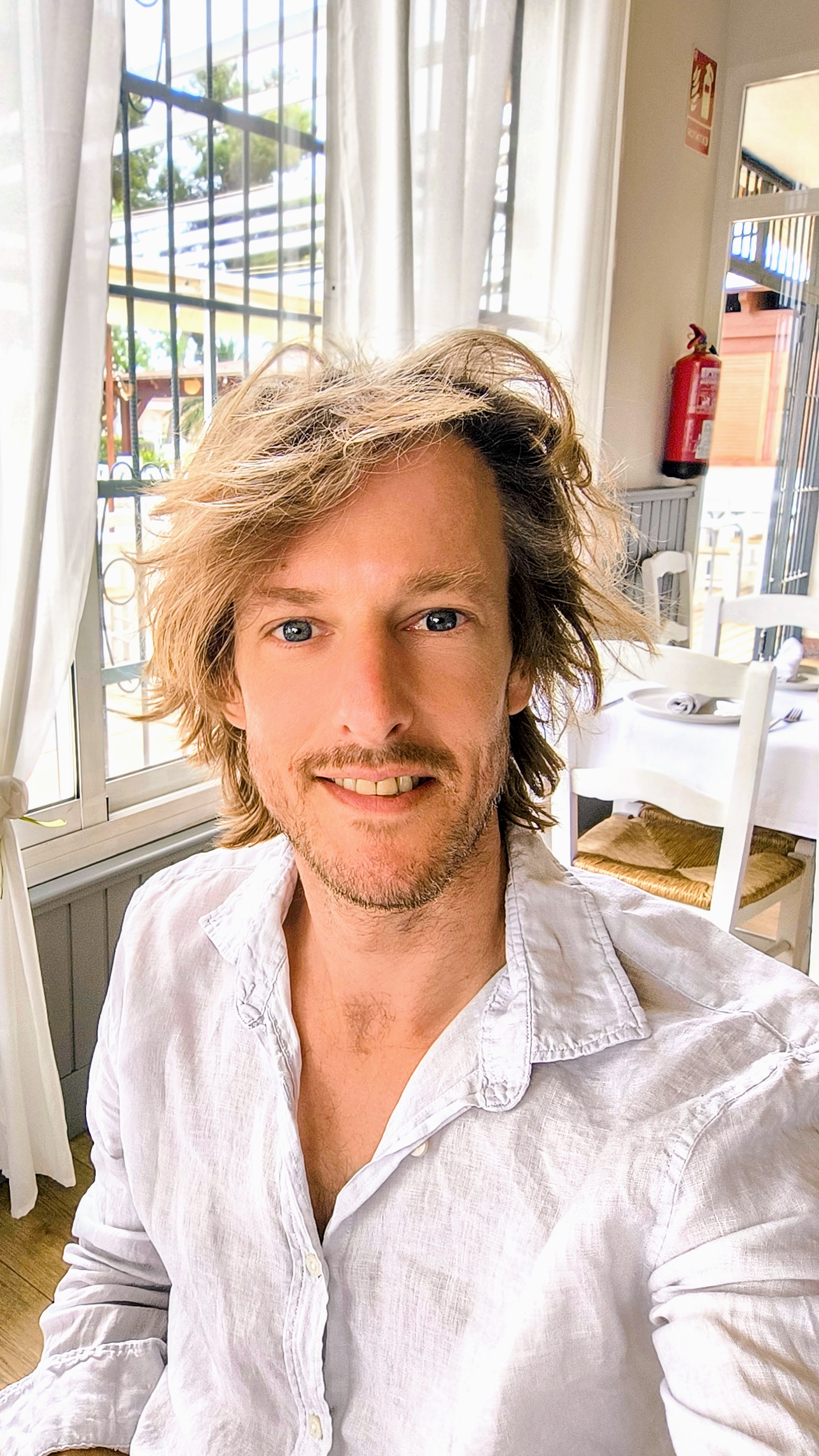
Steve Haynes
Founder of The Coliving Advisor and Savi Coliving. Twenty years across hotel start-ups, restaurant openings, retreat centres, and coliving. Now advising premium property owners and investors worldwide. Worldpackers Sustainable Development Goals winner, 2025.