Founder houses · 5 min read · April 2025
How to Launch a Founder House: A Practical Framework
Founder houses are the most interesting hospitality category nobody knows how to operate yet. Here is what they actually require, and what most early attempts get wrong.
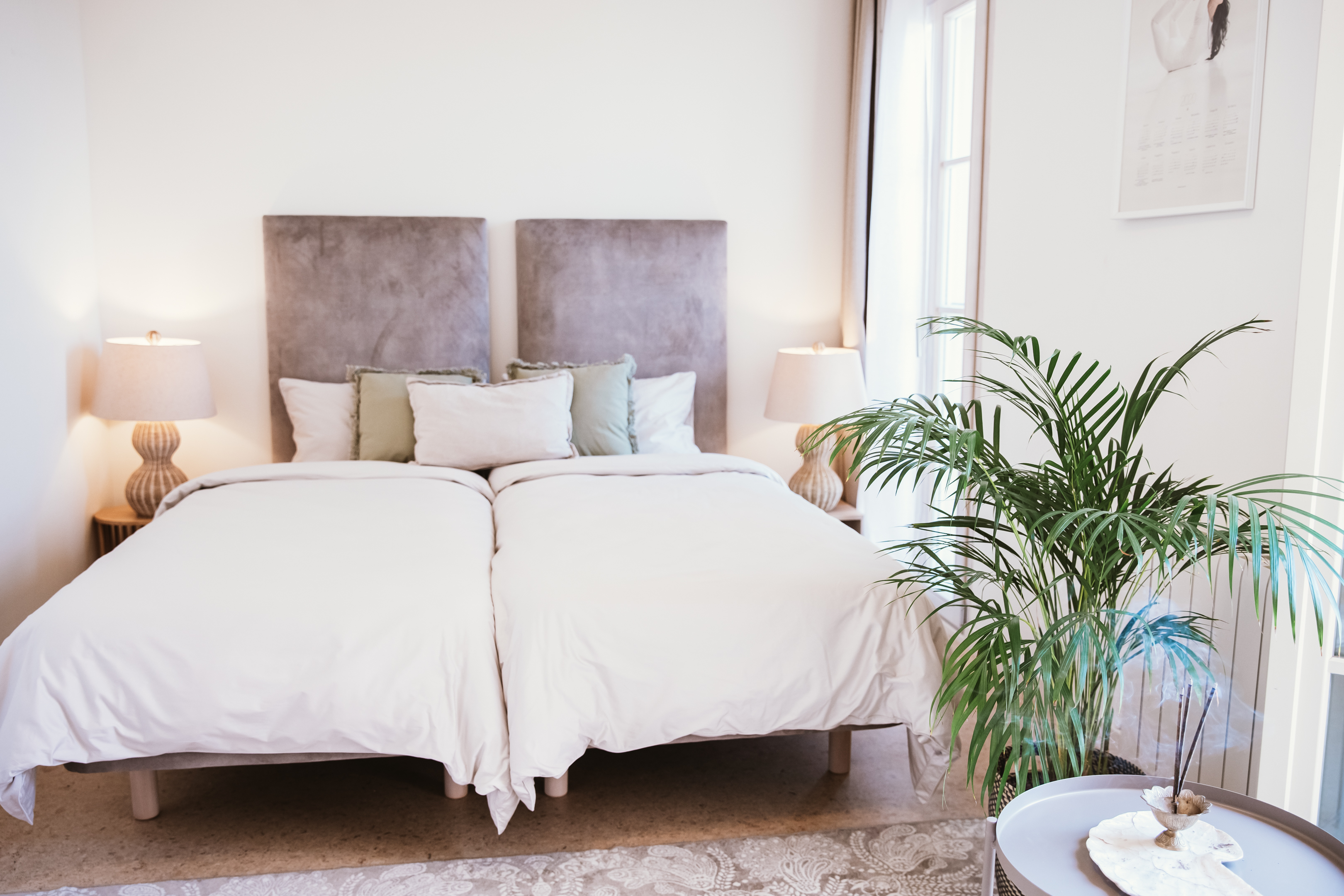
Founder houses are the next obvious move in lifestyle hospitality. A small property, a curated group of founders or operators, a month of focused work and meaningful conversation, a premium price. Almost everyone trying this is getting it wrong.
What a real founder house actually is
Not a coworking retreat with a yoga teacher. Not a hotel with a Slack channel. Not a wellness centre marketed at startup people.
A founder house is a private, application-only residency for people building something serious. It exists to give them three to six weeks of clean focus, peer pressure of the right kind, and the kind of slow, honest conversations they cannot have at home. It is part hospitality, part community, part operating system for the guest's own work.
The four things every founder house needs
**1. A narrow guest profile.** "Founders" is not a profile. "Bootstrapped second-time founders between two and twenty employees, building B2B products, looking for a focused month" is a profile. The narrower the profile, the higher the price the house can charge.
**2. A protected work environment.** Real desks. Real chairs. Reliable bandwidth. Strict daytime quiet. The work has to be real, or the guest doesn't come back.
**3. A dinner table that earns its keep.** Founder houses live or die on the evening conversations. The dinner schedule, the seating, the prompts, and the host's presence are not extras. They are the product.
**4. A confident application bar.** The single most important asset is the room of people inside the house. If the door is loose, the whole proposition collapses. Founder houses must be willing to say no to good applications in service of the best applications.
Why most attempts fail
Two reasons. The founder of the house is rarely an operator (so the standards collapse by week two), and the price is set too low (which leaks the wrong guests into the room).
Founder houses that work are operator-led, application-only, properly priced, and ruthlessly clear about who is allowed in. They are also some of the most profitable hospitality assets per key in the entire premium category.
If you are exploring this model, that conversation is exactly the kind the advisory exists for.

About the author
Steve Haynes
Founder of The Coliving Advisor and Savi Coliving. Twenty years across hotel start-ups, restaurant openings, retreat centres, and coliving. Now advising premium property owners and investors worldwide. Worldpackers Sustainable Development Goals winner, 2025.